
Termite Inspection in Orange County & Los Angeles County
Termites and other wood-destroying organisms can cause significant structural damage before any visible sign appears. In Southern California — one of the highest-risk regions in the country for termite activity — a WDO inspection isn't optional, it's essential.
What Is a Termite / WDO Inspection?
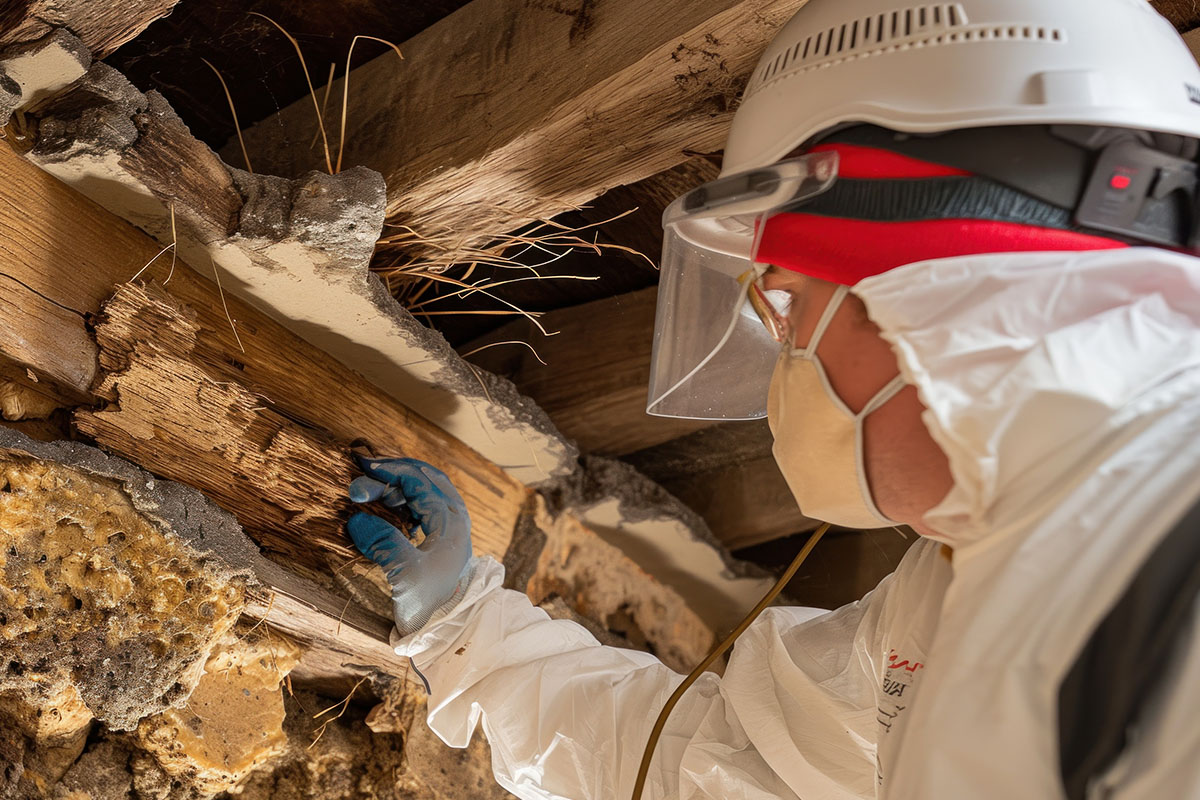
A Wood-Destroying Organism (WDO) inspection systematically examines a property for termites, wood-boring beetles, fungal decay, and other organisms that damage wood. In California, WDO inspections must be performed by a licensed Structural Pest Control operator. Vecino coordinates this inspection through a licensed pest control partner, ensuring the process is seamless alongside your general home inspection. The inspection results in a California-standard Wood Destroying Pest and Organism (WDPO) Report.
BETTER INFORMATION. BETTER DECISIONS.
Types of Wood-Destroying Organisms We Inspect For
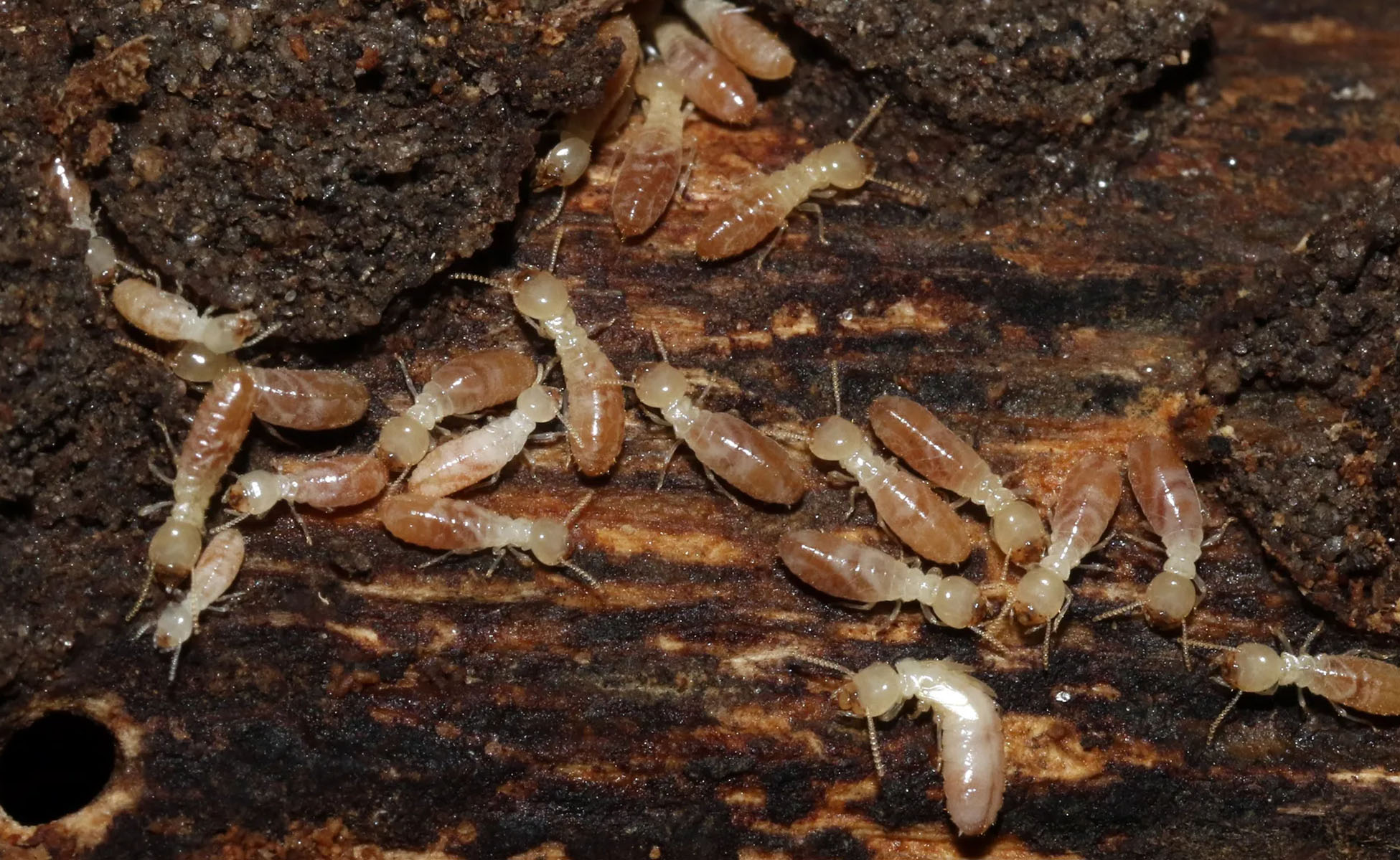
Subterranean Termites — Orange County's #1 Termite Threat
Live underground and travel through mud tubes to reach wood. Can hollow out structural members while leaving the surface nearly intact — often going undetected until damage is severe.
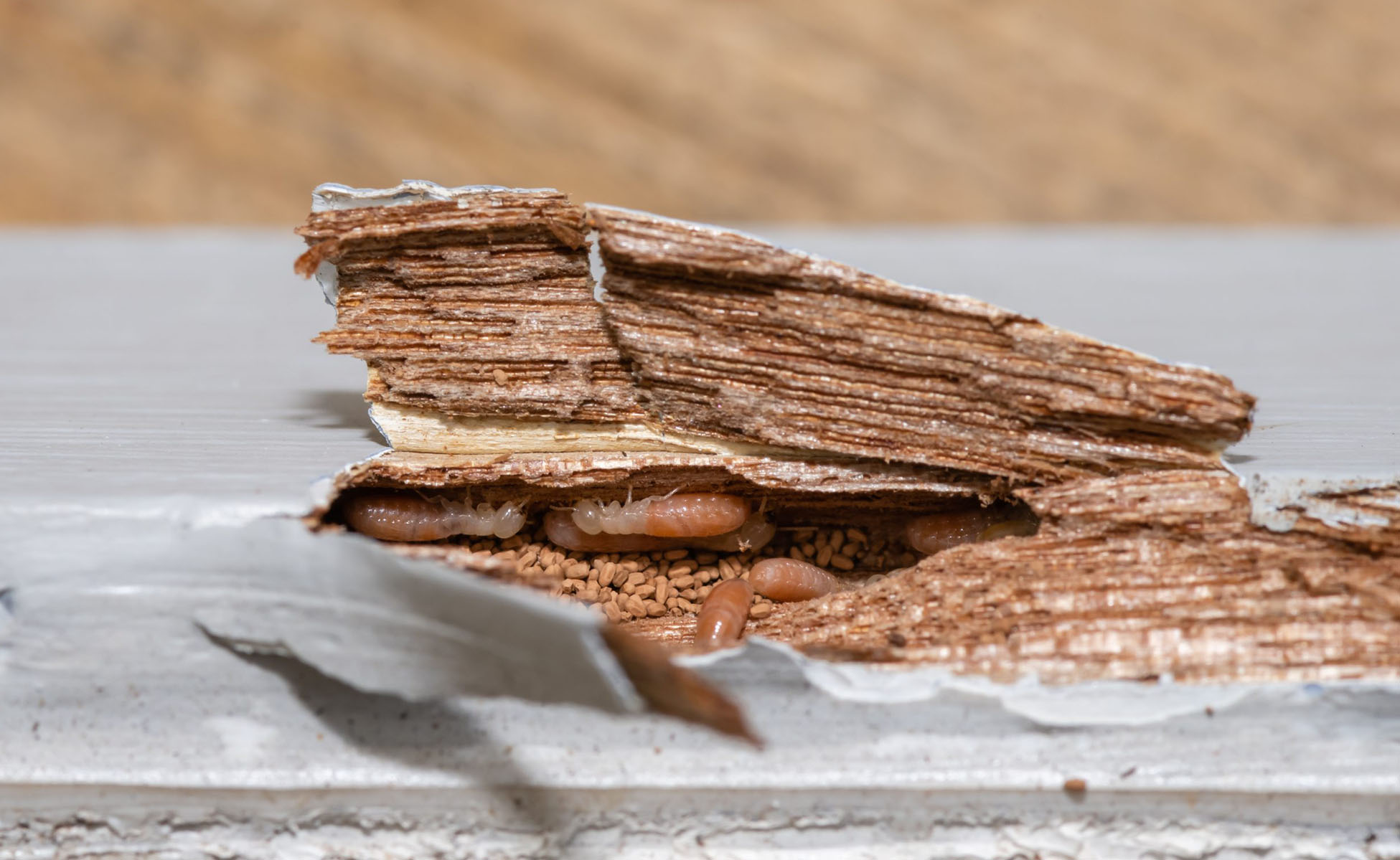
Drywood Termites
Common in OC's coastal and inland areas. Live inside the wood itself. Signs include pellet-like frass (droppings), kick-out holes in wood surfaces, and hollow-sounding wood.
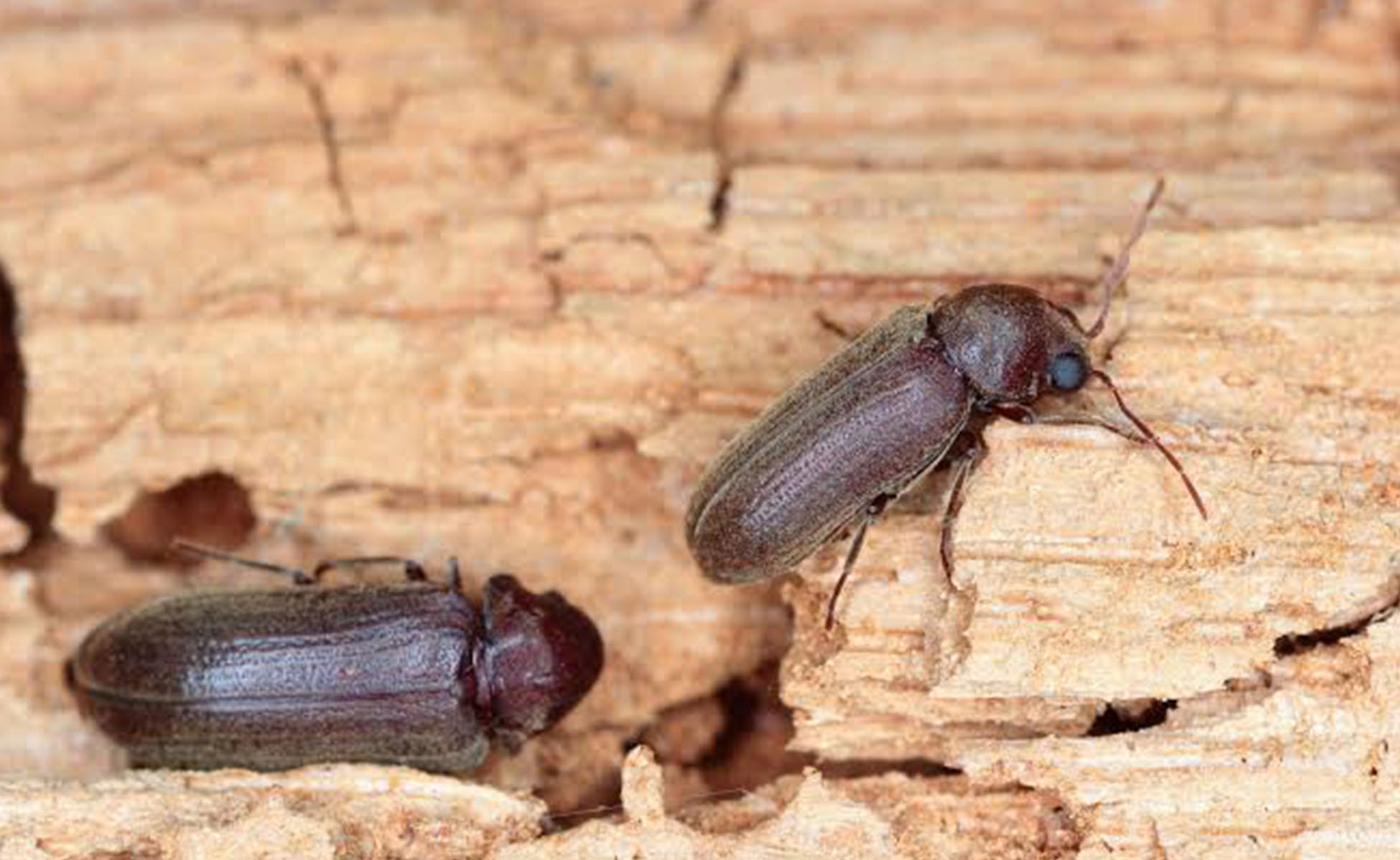
Wood-Boring Beetles
Several beetle species attack both softwood and hardwood. We look for emergence holes, frass, and structural damage indicating active or prior infestations.
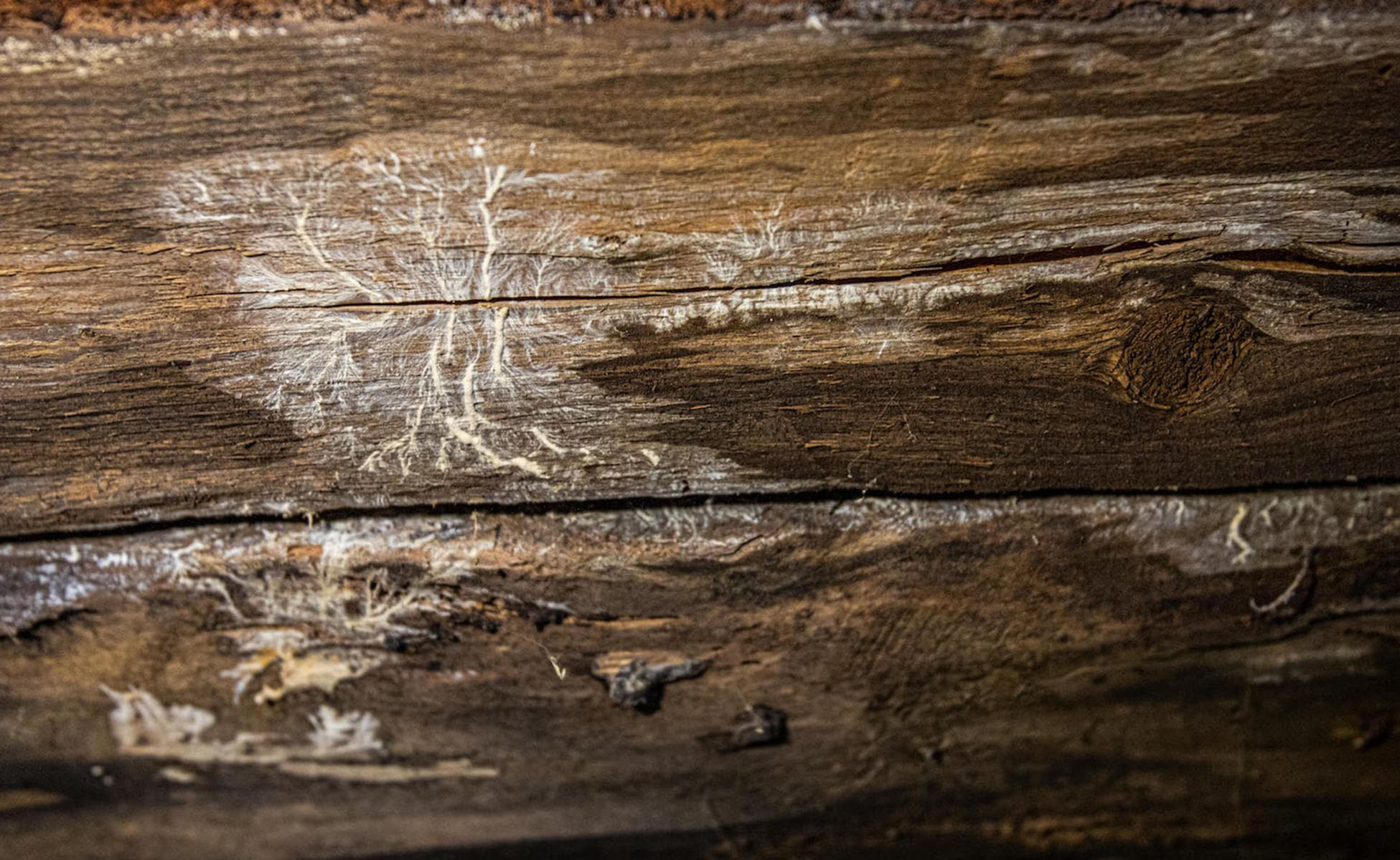
Fungal Decay (Wood Rot)
Not a pest, but included in WDO inspections because it damages wood the same way. We identify active decay and conditions likely to attract termites.
Termite inspections
Areas Inspected During a Termite Inspection
Termite Risk in Orange County — What You Need to Know
Orange County is considered a high-risk area for termite activity in California. Warm year-round temperatures, moderate humidity, coastal conditions, and a large inventory of older wood-frame construction all contribute to conditions that support termite populations. Both subterranean and drywood species are commonly found throughout the region.
Bilingual Service
Inspections in English and Spanish
Southern California is one of the most diverse real estate markets in the country. We provide fully bilingual inspection services in English and Spanish, so language is never a barrier to understanding your property.
Ready to Schedule Your Inspection?
Call or text ( 562) 646-9083 or book online to get started
Schedule Your InspectionFrequently Asked Questions